It depends on how different the new operating model is. Key tactic: change management! (comms, champions, anticipate and mitigate resistance, educate and enable, etc). Also don’t try to design in detail how it’ll work first: leave room for people in role to work that out and so own the change in their space. Also ensure …
Author Archives: David White
Don’t start your operating model design with an org chart
For many people the bottom line for operating model design is the org chart. This is why most people focus on the org chart and want that answer as soon as possible. After years of consulting on operating model design I can tell you that the org chart is literally the last thing you should …
Continue reading “Don’t start your operating model design with an org chart”
Good enterprise architects are systems thinkers

Good enterprise architects are systems thinkers, who are interested in everything so that they can understand what’s really happening in challenges that cross function boundaries, so that they can design options for improving IT and business performance.
Don’t limit architecture to IT

Traditionally Enterprise Architects do the strategic planning for IT/IS/IDS: e.g. producing technology investment roadmaps, defining technology standards, mitigating technology complexity and risks. These are still important services for an EA function. However focusing only on what essentially amounts to enabling an efficient and useful IT shop is limiting the value that architecture and IT can …
Stay alert for bullshit work

And end of year thought.. Our work as transformation, strategy, enterprise architecture, etc professionals only exists because organisations become complex as they rise and grow to meet their meaningful purpose. Our work is meant to help manage – and hopefully reduce – the complexity of doing important work at scale. However this sort of work …
When it’s time to do something about IT

There are times when the IT function is working — no real complaints, getting recognised for delivering some good things — and there are times when it feels like something needs to change. This feeling can creep up on you like the proverbial boiling frog, or it can hit all at once like a disruptive …
Constraints as the seed of invention
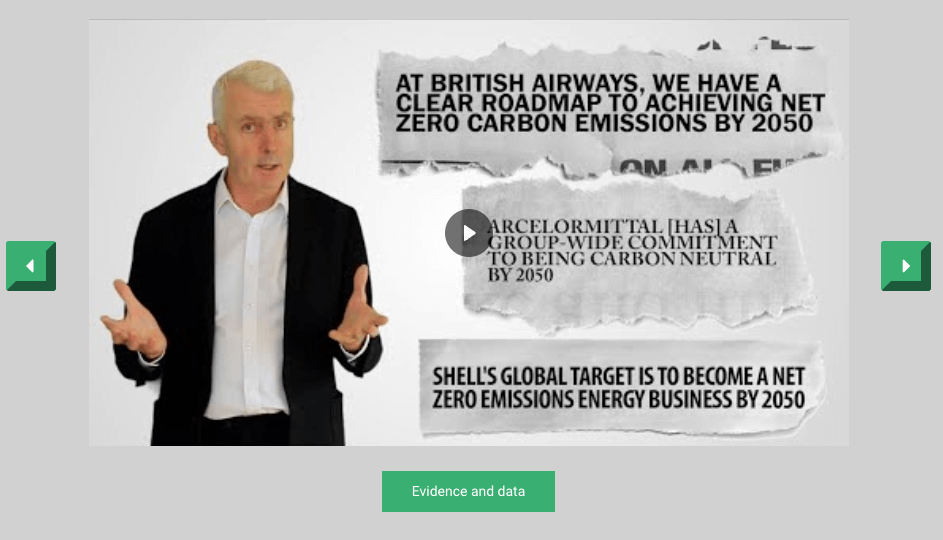
According to a research group at the University of Cambridge focused on climate mitigation, NONE of the climate mitigation measures discussed at COP will be implemented in time to achieve the 2050 global carbon reduction targets. Either because no progress has been made over the last 20 years of discussions, or because it will take …
Systems thinking gives you a valued perspective
Enterprise architects aren’t good at everything, but we are very good at seeing the bigger picture and the hidden opportunities in it. We come to this by being systems thinkers (in the Peter Senge sense, not in the digital or buttons & wires sense). Either our natural inclination to look at things as a system …
Continue reading “Systems thinking gives you a valued perspective”
Sustainable, humanistic organisations do better
Some easy to find articles prove that sustainable, humanistic companies do better. The trick, I guess, is turning this evidence into a updated business strategy. The work is then redesigning the business into the shape of that strategy. But the message is clear: sustainable, humanistic companies do better. Some proof:
Short feedback loops
If you’re not making enough progress, it’s because either: a) You don’t have clear, measurable weekly and quarterly goals b) You aren’t holding yourself and others accountable effectively and regularly enough c) Or you haven’t yet adapted your approach to work in this environment. One of the practices that sets apart leading managers is measuring …